A well-executed closing routine is just as important as the morning setup in a specialty coffee shop. A structured checklist ensures cleanliness, efficiency, and security—setting up your team for success the next day. Whether you’re a cafe manager or a coffee shop owner, following a thorough closing process helps maintain a smooth operation and keeps everything in top shape for your next shift.
Why a Closing Checklist Matters
At the end of a busy day, it’s easy for staff to overlook small but essential tasks. A consistent closing checklist helps:
- Maintain cleanliness – A spotless café ensures a great customer experience and meets health standards.
- Protect equipment – Proper shutdown and cleaning extend the lifespan of expensive coffee equipment.
- Ensure security – Locking up properly reduces risks of theft or damage.
- Improve efficiency – Restocking and prepping for the next day saves valuable time in the morning.
Essential Closing Tasks for Your Coffee Shop
1. Secure the Shop & Equipment
- Lock up all valuable equipment and secure the premises.
- Lock doors and activate the security system.
2. Clean & Maintain Equipment
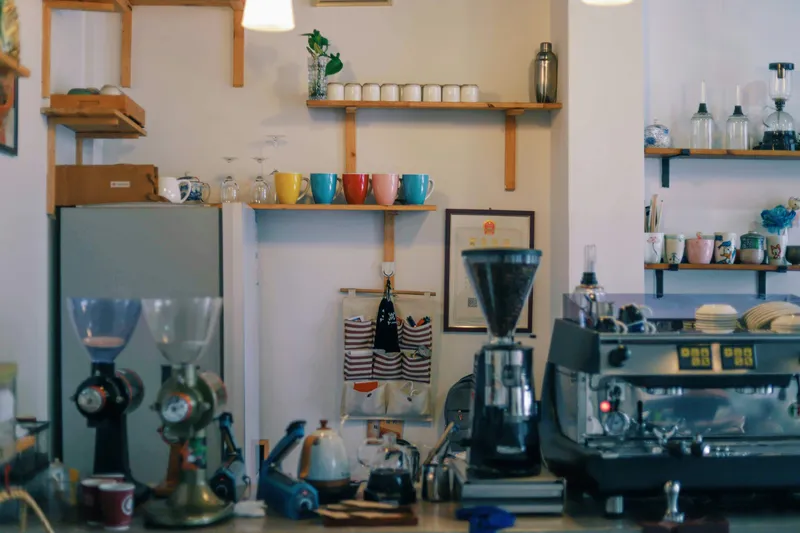
- Clean espresso machines, grinders, and brewing equipment.
- Empty grinders and wipe down all surfaces.
- Turn off all equipment (espresso machines, grinders, ovens, etc.).
- Empty and clean all coffee grounds containers.
3. Organize & Restock for the Next Day
- Restock supplies (cups, lids, napkins, etc.).
- Note low inventory and update counts.
- Store all perishables properly with date labels.
- Process daily sales reports and cash deposits.
4. Deep Clean the Café
- Wipe down counters, tables, and chairs.
- Sweep and mop floors.
- Take out trash and recycling.
- Dispose of used coffee grounds.
By implementing a structured closing routine, your coffee shop will stay organized, efficient, and ready for the next day’s service.
Simplify Your Closing Routine with Brewspace
Managing closing tasks manually can be overwhelming, especially with a busy team. With Brewspace, you can:
✅ Create recurring closing checklists
✅ Assign tasks to staff with automated reminders
✅ Track task completion in real time
Ensure every detail is handled properly, every night. Try Brewspace today and keep your coffee shop running smoothly! ☕ 🚀
Last updated: June 9, 2026