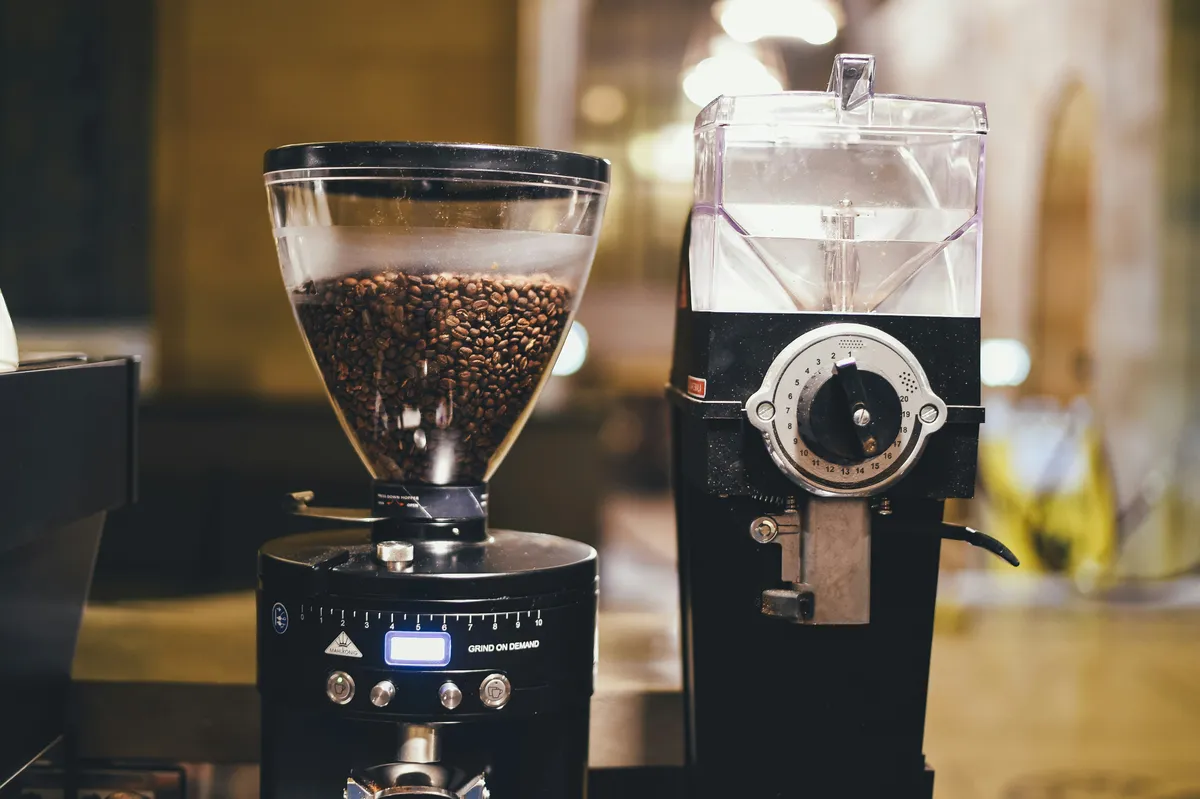
A well-maintained coffee grinder is essential for producing consistent, high-quality coffee. Whether you run a specialty coffee shop or manage a busy café, keeping your grinder clean and in peak condition ensures optimal extraction, extends equipment life, and maintains the flavor integrity of your beans. However, managing maintenance schedules across multiple locations can be challenging.
Why Regular Grinder Maintenance Matters
Coffee grinders endure heavy use daily, accumulating oil, coffee residue, and fine dust that can affect performance. A neglected grinder can lead to inconsistent grind sizes, overheating, and even breakdowns. Regular maintenance helps:
- Preserve coffee flavor by preventing rancid oils from affecting new batches.
- Ensure consistent grind size for optimal extraction.
- Extend the lifespan of burrs and internal components.
- Prevent costly repairs or replacements.
Daily Cleaning Routine
A simple daily cleaning routine can prevent excessive buildup and keep your grinder running smoothly.
- Purge the Grinder – Before starting a shift, run a small amount of coffee through the grinder to remove stale grounds. This ensures fresh, uncontaminated coffee for the day.
- Brush Out Residue – Use a grinder brush or a soft cloth to remove coffee dust from the burrs, chute, and dosing chamber.
- Wipe the Exterior – Clean the hopper, lid, and surrounding surfaces with a damp cloth to remove oils and fingerprints.
💡 How Brewspace Helps: Assign daily maintenance tasks to baristas and track completion in real-time, ensuring grinder cleaning never gets overlooked.
Deep Cleaning: Weekly and Monthly Maintenance
While daily upkeep is essential, a deeper cleaning schedule helps prevent long-term buildup and mechanical issues.
Weekly Cleaning
- Remove and Clean the Hopper – Empty the hopper, wash it with mild soap and warm water, and let it dry completely before reattaching.
- Vacuum Out Coffee Dust – Use a small vacuum or compressed air to remove fine particles from inside the grinder.
- Inspect the Burrs – Check for signs of wear and remove any stuck coffee particles with a brush or wooden pick.
Monthly Burr Cleaning and Calibration
- Deep Clean the Burrs – Remove the burrs (if your grinder allows) and clean them thoroughly. Some coffee shops use food-safe grinder cleaning tablets to help remove oils.
- Check for Burr Wear – Dull burrs lead to uneven grinding and poor extraction. Depending on usage, burrs should be replaced every 6-12 months.
- Recalibrate Grind Settings – If you notice grind size inconsistencies, recalibrate the settings to maintain precision.
💡 How Brewspace Helps: Set automated reminders for deep cleaning tasks, ensuring consistency across all locations. Track equipment maintenance logs for easy reference.
Preventing Common Grinder Issues
To keep your grinder in peak condition, avoid these common issues:
- Overloading the Hopper – Filling the hopper beyond capacity can cause jams and uneven feeding.
- Skipping Cleanings – Even a few days of neglect can lead to oil buildup and stale coffee contamination.
- Ignoring Unusual Sounds – Strange noises or slow grinding can indicate worn burrs, motor issues, or obstructions. Address these signs early to avoid costly repairs.
Final Thoughts
A clean, well-maintained coffee grinder is a critical tool for every specialty coffee shop. By implementing a consistent cleaning schedule, café managers and baristas can ensure equipment longevity, improve grind consistency, and maintain the highest coffee quality.
With Brewspace, specialty coffee shop owners can streamline grinder maintenance, assign cleaning tasks, track progress, and keep equipment in top condition across multiple locations. Don’t let maintenance slip through the cracks—get Brewspace and keep your café running smoothly.
Last updated: June 9, 2026