Running a specialty coffee shop requires attention to detail in every aspect of the brewing process. Small mistakes in coffee preparation can have a significant impact on quality, consistency, and customer experience. Whether you’re a coffee shop manager overseeing daily operations or a cafe manager training new baristas, understanding and addressing these common missteps is essential.
1. Inconsistent Temperature Control
One of the most overlooked but critical elements of brewing great coffee is temperature control. If the portafilters are not kept hot, temperature inconsistencies can affect extraction. Always ensure that portafilters remain in the machine when not in use. This prevents fluctuations that can lead to under-extracted or over-extracted espresso shots.
2. Dirty or Wet Portafilter Baskets
A clean and dry portafilter basket is crucial for even extraction. Residual moisture or coffee grounds from previous shots can interfere with the next brew, leading to off-flavors. After knocking out the spent puck, baristas should wipe the basket dry before dosing fresh coffee.
3. Uneven Coffee Distribution and Tamping
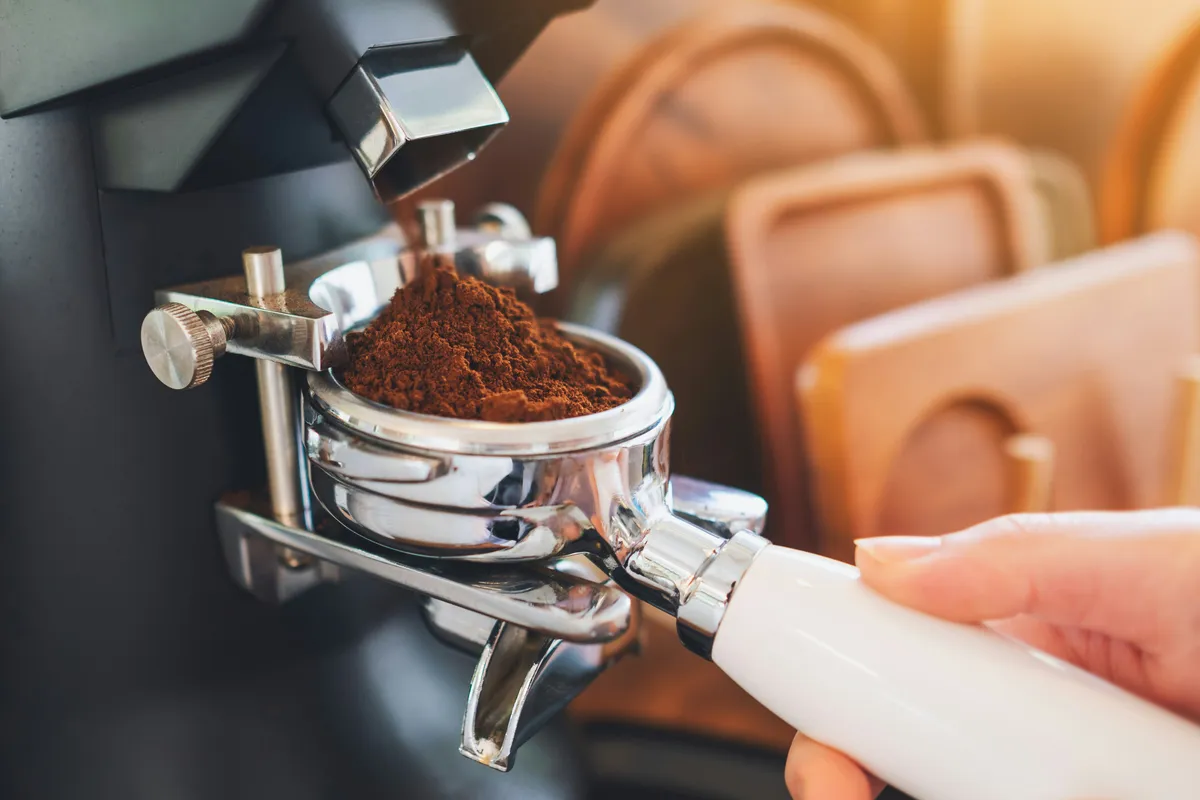
Proper coffee distribution before tamping ensures an even extraction. Unevenly distributed coffee grounds cause channeling, where water flows through some parts of the puck faster than others, leading to weak and inconsistent espresso. Train baristas to distribute grounds evenly and apply consistent pressure when tamping.
4. Incorrect Dose and Grind Size
Getting the right dose and grind size is essential for maintaining flavor and balance. A dose that’s too low or a grind that’s too coarse will result in a weak and under-extracted shot, while too fine a grind or too high a dose can cause over-extraction, leading to bitterness. Regular calibration of grinders and weighing doses precisely can help maintain consistency.
5. Neglecting Regular Machine Maintenance
A well-maintained espresso machine ensures quality and longevity. Regularly backflushing, cleaning group heads, and descaling machines help prevent buildup that can negatively impact the taste of coffee. Coffee shop managers should implement a strict maintenance schedule to avoid costly repairs and ensure smooth operations.
6. Using Stale Coffee Beans
Even with a flawless brewing technique, using old or improperly stored beans can compromise flavor. Specialty coffee beans should be stored in airtight containers away from light, heat, and moisture. Rotate stock regularly to ensure freshness, and educate staff on recognizing signs of stale coffee.
7. Skipping Proper Milk Steaming Techniques
For cafes serving milk-based drinks, steaming milk correctly is just as important as pulling a great espresso shot. Overheated or improperly textured milk can ruin a drink’s balance and mouthfeel. Baristas should aim for silky, microfoam consistency and avoid overheating milk beyond 150°F (65°C).
Conclusion
A specialty coffee shop thrives on quality, consistency, and customer satisfaction. By identifying and correcting these common mistakes, cafe managers and baristas can improve overall coffee quality and elevate the customer experience. Investing in proper training and maintaining strict operational standards will ensure your coffee shop stands out in the competitive specialty coffee industry.
Last updated: June 9, 2026